Description
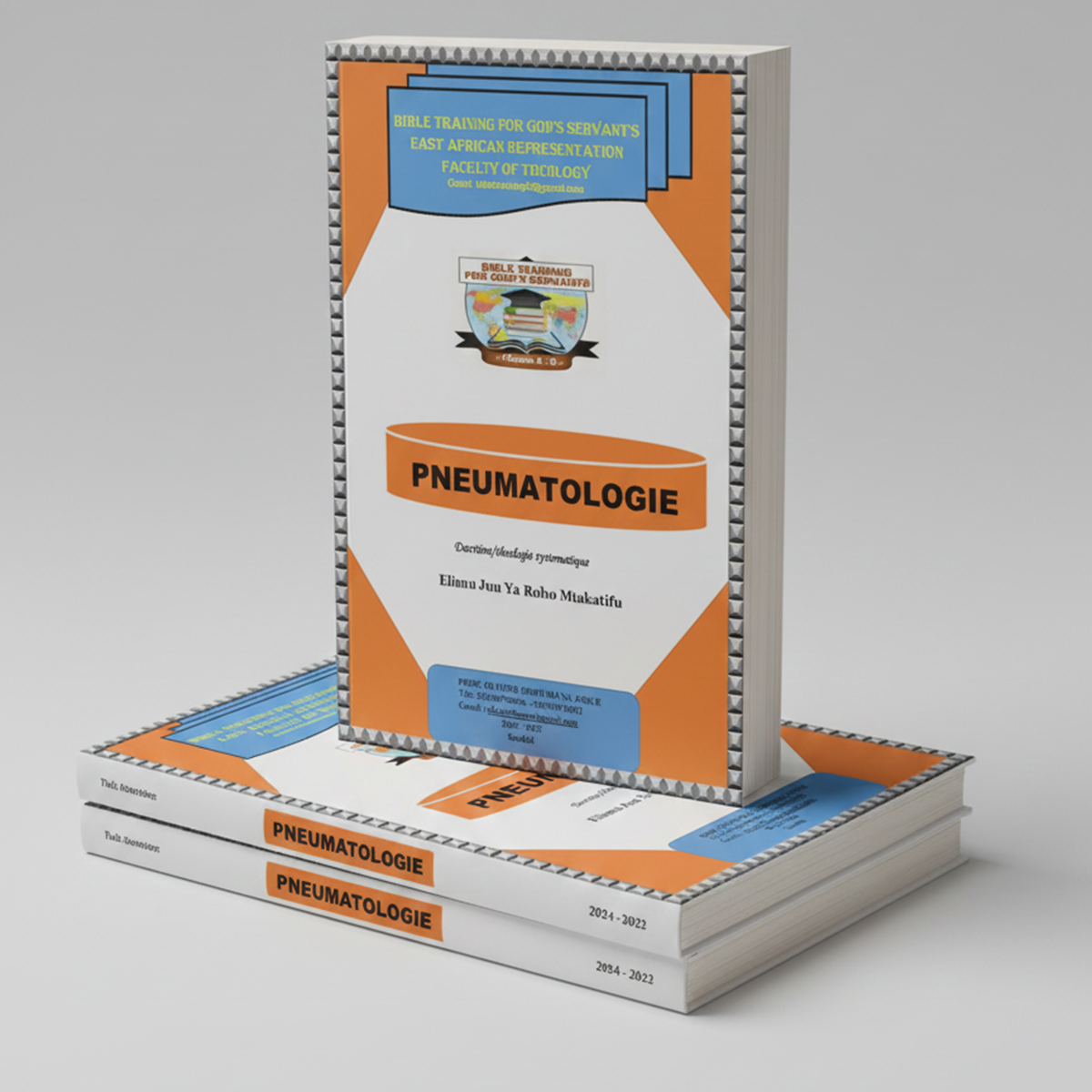
What is Pneumatology?
The term “Pneumatology” is derived from two Greek words: “pneuma,” meaning spirit, and “logos,” which translates to teaching or doctrine. In essence, Pneumatology refers to the study of the Spirit of God—the third person of the Holy Trinity. It delves into understanding His nature, essence, and profound works. Importantly, Pneumatology does not address teachings about other spirits, such as angels or demons, which fall under the domain of Angelology (or “Angeology,” as some prefer). This field is solely focused on the Holy Spirit within the framework of Christian theology.
The Importance of Understanding Pneumatology
In today’s theological landscape, there is no other aspect of doctrine as susceptible to false teachings and heresies as Pneumatology. This makes it crucial for believers and scholars alike to diligently study and teach the biblical foundations of the Holy Spirit. By equipping ourselves with sound, scripture-based teachings, we can both strengthen our faith and guide congregations toward a deeper understanding of God’s Spirit.
As René Pache and Heinz Weber—respected contributors to the study of the Holy Spirit—have noted, the significance of Pneumatology extends far beyond intellectual pursuit. It is deeply interwoven with our spiritual growth and our ability to distinguish truth from error. Their academic insights form the foundation for exploring both the person and works of the Holy Spirit through a biblically-grounded lens.
Encouraging Balanced Biblical Teachings
One of the key challenges within Pneumatology lies in presenting a balanced approach to the doctrine of the Holy Spirit. While it’s tempting to either overemphasize or neglect specific teachings, believers benefit most from a thoughtful and comprehensive understanding of His role. The Holy Spirit is not only a divine presence; He plays an active and transformative role in the lives of believers, from conviction and comfort to empowerment and guidance.
Churches and communities would do well to prioritize biblically sound teaching in this area, ensuring believers are both encouraged and equipped to live Spirit-filled lives. By identifying and addressing common errors or misconceptions, we can foster a more profound appreciation of the grace and power the Holy Spirit brings to our Christian journey.
Conclusion
Pneumatology offers a rich, theologically significant exploration of God’s Spirit and His work within the world. In studying this doctrine, believers can deepen their relationship with the third person of the Trinity, gain insights into His character, and understand His divine purpose. For anyone dedicated to Christian learning or ministry, this field provides not only intellectual but also spiritual enrichment. Let us, therefore, commit to teaching and learning with humility and faithfulness, reflecting the intricate beauty of God’s word.






Reviews
There are no reviews yet.